
ANNOUNCING:
50 YEARS OF MUSIC
1976-2026
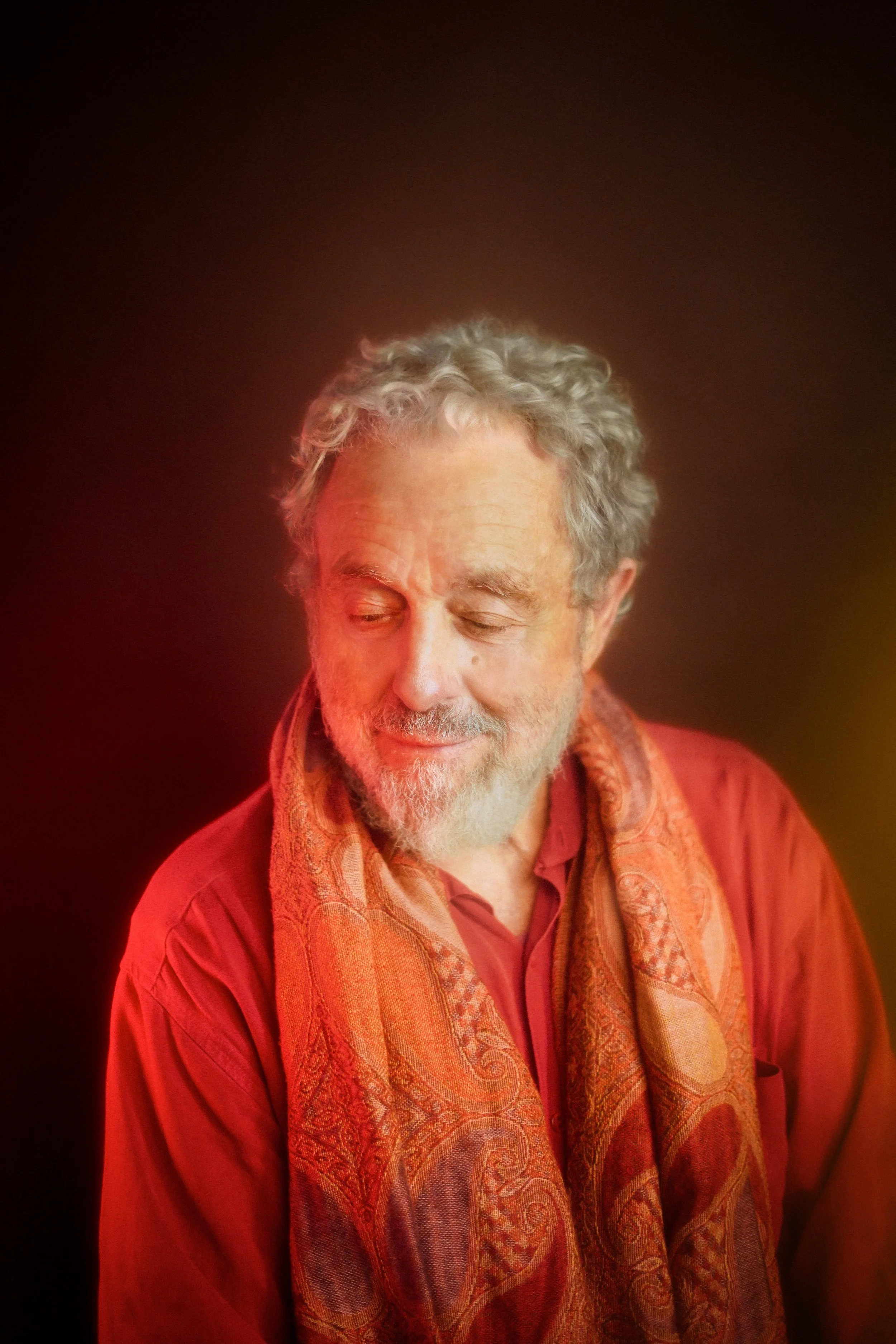
Photo by Monika Ruman
Antoni O’Breskey is a music visionary, uniting eras and cultures...
challenging ethnocentrism, and celebrating the global roots of music.
“He is a man for whom the notion of borders means very little, a genius whose music is without frontiers.”
HOT PRESS
“A visionary kind of world music. A maverick pianist, a musical polymath”
THE IRISH TIMES
“He brings all eras and cultures together in one musical space.”
THE IRISH ECHO
“Trailblazing… the categories of ‘World Music’ and ‘New Age’ did not exist when Antoni O’ began his musical journey. “
NPR
“Long predates Riverdance”
THE IRISH TIMES

Al Kamar, 1989
SHORT BIO - ENGLISH:
Antoni O’Breskey, an Italian-born composer and pianist of Argentine heritage, has made Ireland his home and spent five decades pushing the boundaries of music.
He is celebrated for pioneering piano improvisation within Irish traditional music and flamenco, seamlessly blending these genres with jazz, blues, and classical influences.
Since the 1970s, his distinctive sound has created a unique bridge between distant musical worlds, earning him recognition as a leading trailblazer and interpreter of world and new age music.
In 1980, he released ‘Irish Meet the Blues, praised for its innovative fusion of Irish tradition and Blues.
In ‘88, with his work ‘Al Kamar’ he brought together Irish music, Jazz, Flamenco and the music from the Maghreb.
This project premiered in Paris at Theatre La Cigale, Le Cirque d’Hiver and l’Institut du Monde Arabe with special guests ethnic Jazz artist Manu Di Bangu and French pop star Jacques Higelin, toured worldwide, and captivated audiences.
‘92 saw the release of ‘Orekan’, a groundbreaking symphonic concept that united classical piano with instruments from diverse ethnic traditions.
For many years he was gathering together extraordinary musicians from all over the world, and recording more than 35 albums.
Amongst his historical collaborators are: Ronnie Drew (The Dubliners), Mairtin O’Connor (De Dannan), Steve Cooney, Donal Lunny (The Bothy Band), Cathy Jordan (Dervish), Juan Martin, Antonio Carmona (Ketama), Gabin Dabirè, Davide Viterbo, José Seves (Inti-Illimani), Benito Lertxundi and many more.
Recently, he has been working extensively with rising stars of the Irish folk and traditional music scene, including his daughter Consuelo Nerea (Varo/Landless), Ultan O’Brien and Kevin Murphy (Slow Moving Clouds/Rattling Ark), Paahto Cummins (Skipper’s Alley/Ispíní na hÉireann), Ross Chaney (John Francis Flynn Band/Throwing Shapes/ Seamas Hyland).
For his significant contributions to Irish culture, O’Breskey was honoured at a series of celebratory concerts at the National Concert Hall in Dublin in 2005, 2007, and 2012. The events featured special guest performers including The Dubliners, flamenco guitarist Juan Martín, and other distinguished artists.

With Steve Cooney and David Hopi Hopkins, 1984

With Ronnie Drew (The Dubliners), 1998
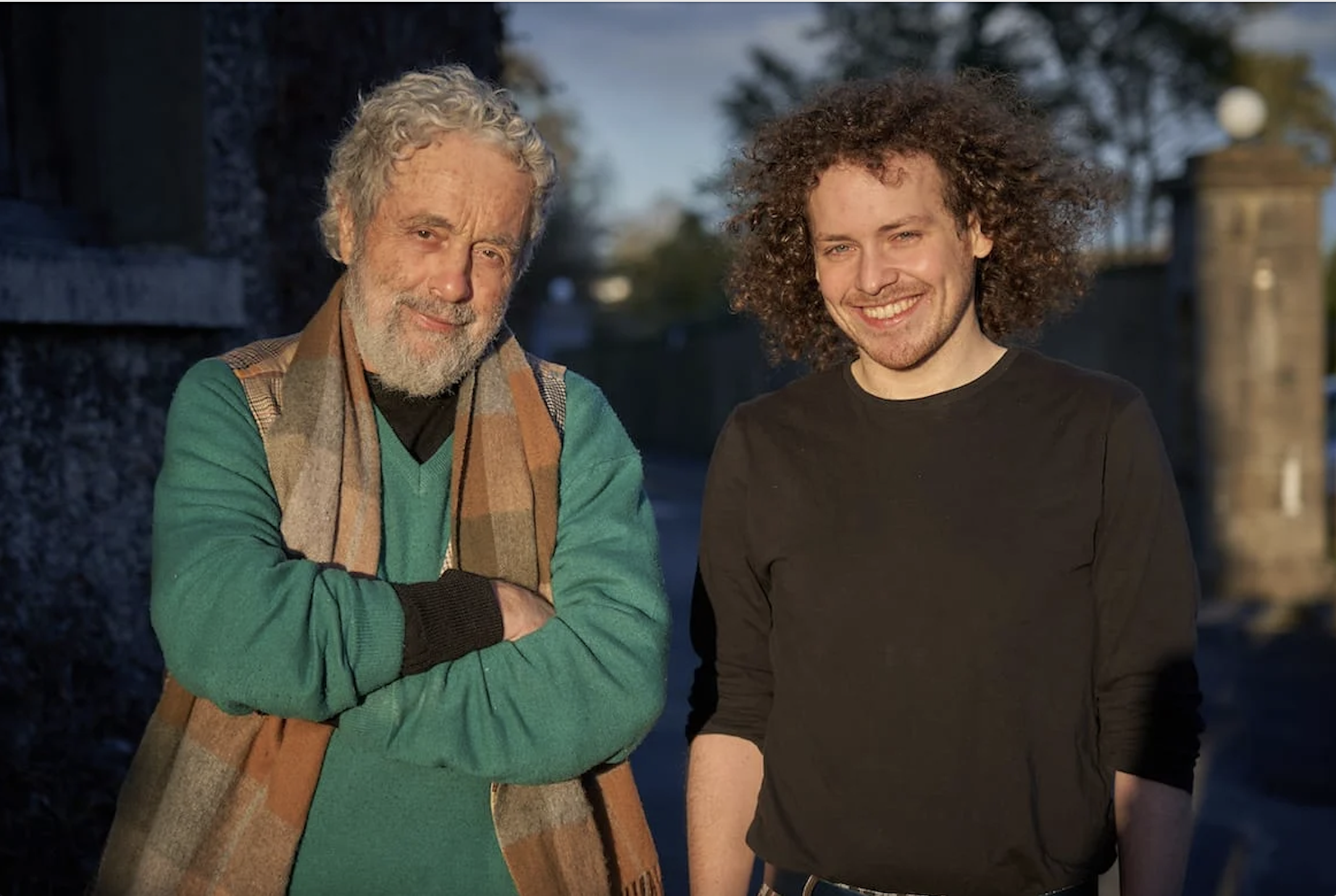
With Ultan O’Brien, 2020

Teatro Cassia, Rome 2010
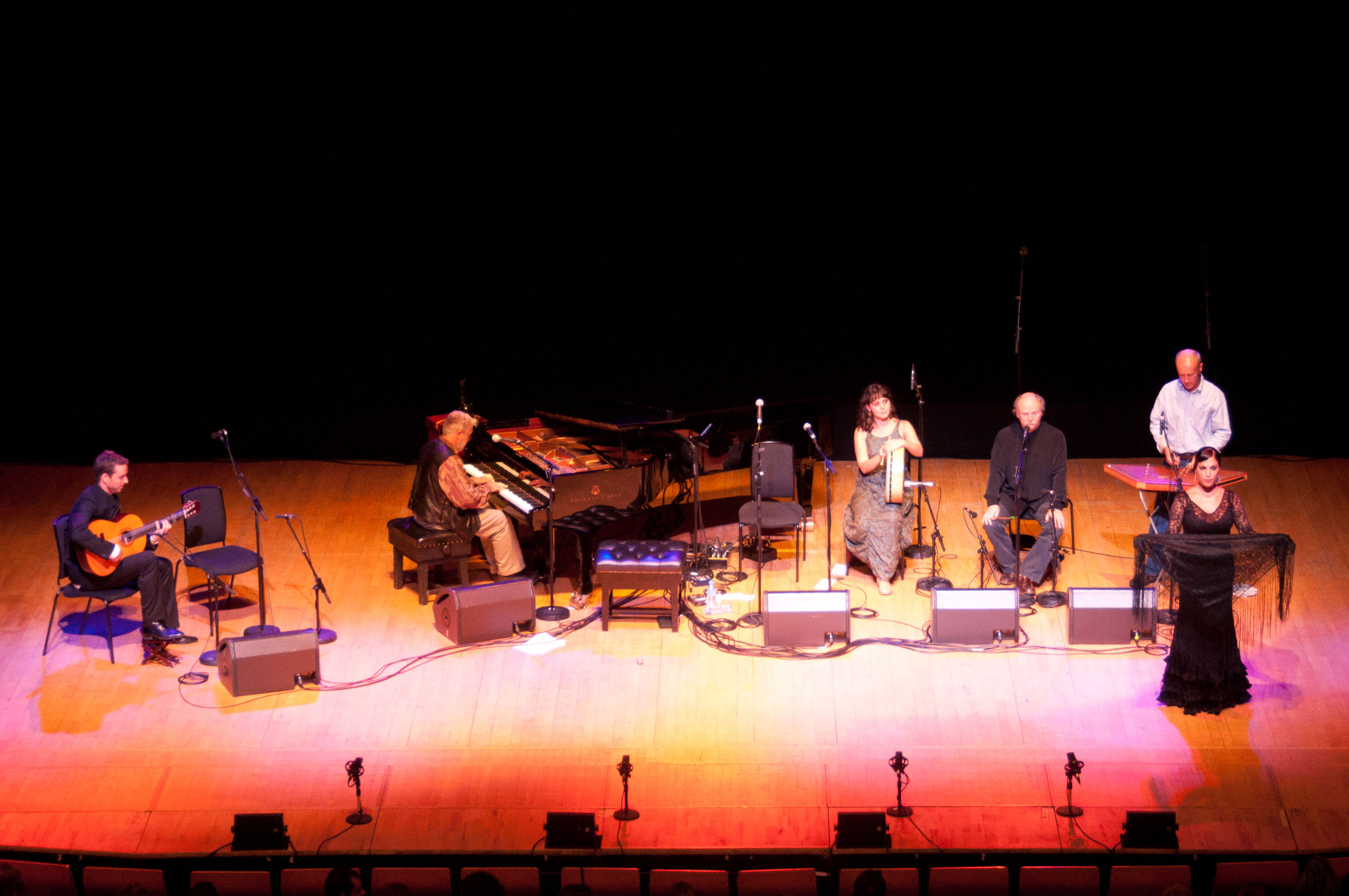
National Concert Hall, Dublin, 2012

National Concert Hall, Dublin, 2012
FULL BIO - ENGLISH
Background and Collaborations
He began playing the piano at the age of three and graduated in piano from the conservatory Luigi Cherubini in Florence. He also studied trumpet. He created the Florence Jazz Society at the age of sixteen and a few years later founded the International Folk Group which became the Whiskey Trail group. This name refers to the journey of the Irish emigrants to America and the meeting with the African people which, pursuant to O’Breskey’s belief, gave birth to jazz. In fact among the many original titles of his albums we find ‘Irish Meet The Blues’ (his first solo album), ‘When Jazz was an Irish Baby’, ‘On the Irish Side of Blues Street’, ‘Bound For America’, etc.
Between 1970 and 1973 he spent long periods in Alabama and Louisiana to explore the roots of blues, to discover the strong influence of Irish music in jazz and to perform with old jazz traditional musicians. These experiences are described in his tale “Alabama” which can be found in his latest CD book ‘Sorkuntzaren Trenean - When Bach was an Irishman and Mozart a Gypsy Boy’.
Still quite young, in his early twenties, he appears in 1972 in Auburn, Alabama, playing with the Auburn University Orchestra and jazz trombonist Urbie Green. Then in 1980 he performs in Rome with his group Whiskey Trail and jazz violinist Stephan Grappelli for the first RAI ( Italian National Television) Concert for Europe.

With Whiskey Trail 1975
In 1985 he concluded the International Jazz Festival of Poland in Kalish together with south African pianist Dollar Brand, in the same year he performed for the National Spanish Television in the stadium of Alcalá De Henares accompanied at cajón by young Antonio Carmona de Los Abichuelas (who also participated in the recording of his flamenco piano album ‘Punta Umbria’ and in ‘Al Kamar’, a fusion between flamenco, Irish music, and the music of the Maghreb).
In Ireland he began a long collaboration and friendship with Ronnie Drew of The Dubliners, who participated in many of Antonio's albums, the most significant being "From Dublin to Bilbao". Later he was on stage in Cesena, Italy with Rumanian pan flute player Gheorghe Zamfir, in Istanbul with the gipsy Turkish clarinet player Selim Sesler, in Paris with African saxophone player Manu Dibango and rock blues French singer Jacques Higelin
He toured extensively in Italy, Ireland and Switzerland with Irish musicians Máirtín O’Connor (De Dannan), Andy Irvine (Planxty), Dolores Keane, John Faulkner, Johnny McCarthy, Joe McHugh, Maurice Lennon (Stockton’s Wing), Gerry and Annie O' Donnell, many of whom participated in Antonio's albums.
In the Basque Country he became close friends with national Basque singer Benito Lertxundi, who participated in his albums "Mezulari" and "Donostia", and Basque poet Josè Angel Irigaray, who created together with Antonio the album of poems and music called "Zeharbidetan". Irigaray also participated in his work "Orekan", which in Basque language means "harmony among the people".
In 2008 he invited the significant collaboration of José Seves, leader of group Inti Illimani, who sings in his album "Nomadic Aura" with Elisabeth Morris and Biancastella Croce.
Recently Antonio appeared in Ireland in duo with singer Donovan and special guest Chris De Burgh, and with Eoin Dillon (Kíla).
Film, Theatre, Ballet, Work with Children and Music Therapy
He composed the soundtrack for the thirteen episode documentary for Italian television RAI 2 named "Il Linguaggio dei Luoghi" (The Language of Places) by film director Folco Quilici, and for many other documentaries by the same director (Le Alpi, Le Isole, etc.).
He composed the music for "Le Colline del Garda" by film director Franco Piavoli, for the "The Nock" by Irish film director Dennis MacArdle.
He composed music for Shakespear’s “Richard the Third” for actor Giorgio Albertazzi. He created together with Zappalá Dance and Sicilian Ballet the work “Mediterraneo: Le Antiche Sponde del Futuro” (Mediterranean: The Ancient Shores of the Future) which was performed all over Italy, Spain and North Africa.
He created four television serials named "Il Suono e la Terra" (The Sound and the Land) for the Italian television channel RAI 3 all based on his musical journey and his work with ethnic music and children. Antóni O’ created, performed and directed the fairytale "The Woman of the Sea", also for children, produced by Teatro Comunale of Florence with the help of film directors Franco Piavoli, Ermanno Olmi and Mario Monicelli. This fairytale has been performed all over Italy and Switzerland.
Later, Antóni O’ created a new version of the fairytale with Swiss theatre director Michel Poletti, produced by the International Locarno Puppets Festival which is currently touring Europe.
In 1976 he created the music laboratory for children "Pistoia Ragazzi" in Pistoia, Italy and repeated the same experiences later in Zurich with emigrants and children, all this experience described in his book "Ecologia: Salviamo Anche La Musica” (“Ecology, let’s save the music too!”). He also performed and still is performing concerts, shows for children and workshops all over the world.
His music has also been used for therapy. He personally did music laboratory for handicapped, homeless, drug addicts, immigrants and minority groups. The World Music Magazine of Barcelona wrote "his music is a caress that makes us feel human at least for a few moments".
BIOGRAFIA - ITALIANO
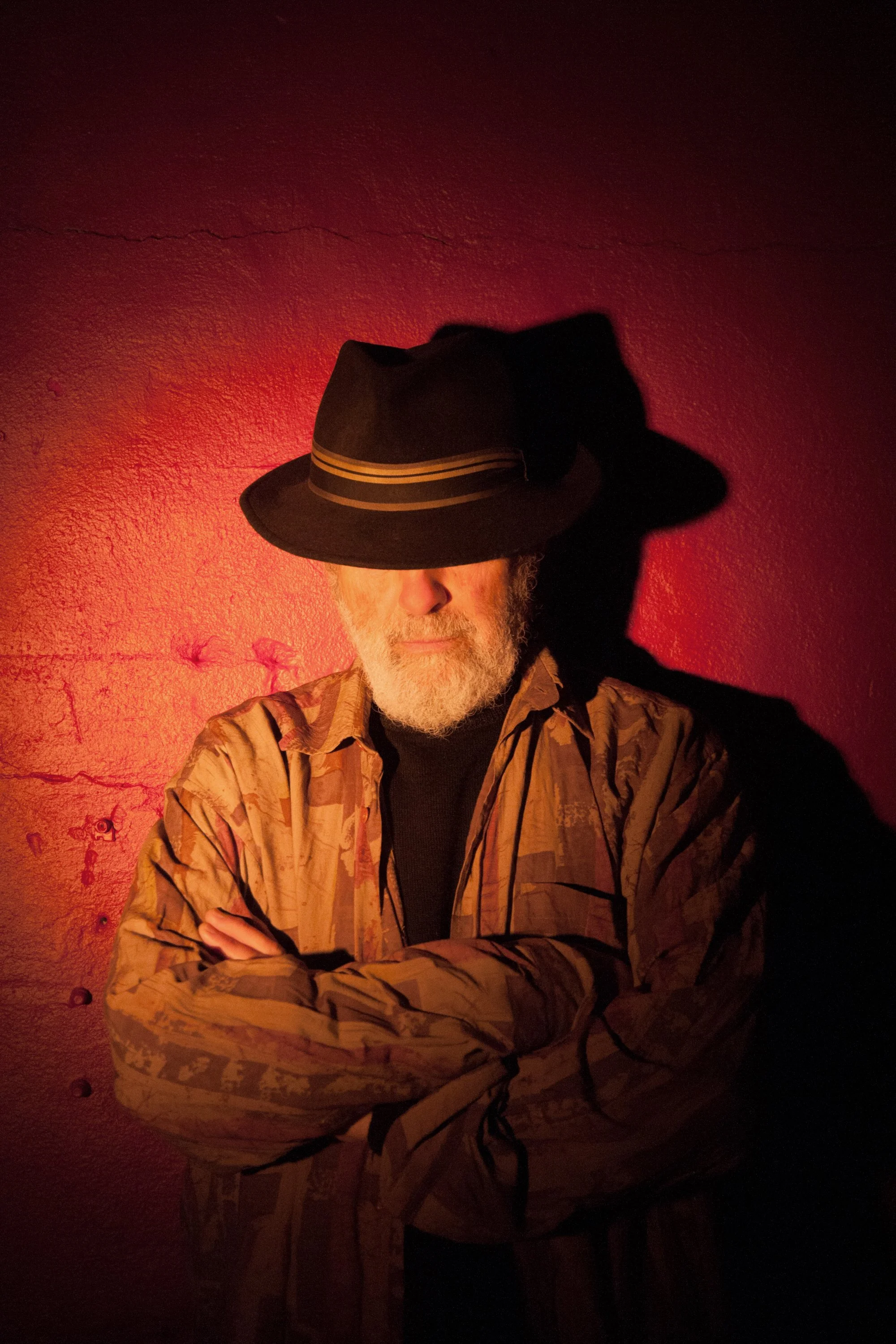
Photo by Milena Giacomazzi
“Poeta della musica”
ERMANNO OLMI
"Un genio, uno dei musicisti piu' innovativi che abbiano mai spaziato in qualsiasi genere musicale"
OLIVER SWEENEY, HOT PRESS DUBLIN
“Una testimonianza di memoria che si erge contro la stupidità, la falsità, e la uniformità della maggior parte della musica moderna senza memoria come la definisce lo scrittore Milan Kundera”
INAKI EZKERRA, EL PAIS MADRID
“Un vero visionario musicale […] I crossovers musicali di O’ Breskey hanno anche un imperativo etico. Egli infatti cerca di armonizzare la maggioranza con la minoranza, il presente con il passato, e ciò a cui e’ data voce con ciò che e’ stato messo a tacere, per ridimensionare l’etnocentrismo della musica Classica Occidentale. Per questo musicista le culture musicali non sono definite da confini, ma da profonde radici culturali che attraversano tutte le aree del globo.” COLLEEN TAYLOR, THE IRISH ECHO, NEW YORK
Antonio O’ Breskey, compositore, pianista, scrittore ed esperto in pedagogia musicale.
Le sue basi sono Jazzistiche e classiche, a sedici anni fonda l' Associazione Firenze Jazz e in seguito si diploma in pianoforte al Conservatorio Luigi Cherubini di Firenze.
Nella sua avventura musicale ha unito, anticipando i tempi, le più svariate tradizioni musicali del mondo e usato per la prima volta il pianoforte (in forma creativa ed improvvisativa) nel flamenco e nella musica irlandese creando un nuovo approccio al jazz e alla musica classica e un suo unico stile pianistico.
Anche con la tromba ha ricercato nuove sonoritá e linguaggi unendo lo spirito del blues con quello dello Sean nòs ( antico canto gaelico ). Ha inciso più di quaranta albums raccolti nella Nomadic Piano Collection, avendo come ospiti innumerevoli musicisti, tra i massimi rappresentanti delle varie culture musicali del mondo. Le sue composizioni minimaliste e classiche per cello e oboe e i suoi lavori di World Music sono diventate note colonne sonore per il cinema, il teatro e la televisione, tra le piú conosciute la serie televisiva di documentari dal titolo Il Linguaggio dei luoghi di Folco Quilici, le musiche per il Riccardo III di Shakespeare nell'allestimento di Giorgio Albertazzi e la fiaba musicale The woman of the sea, creata, diretta, interpretata ed eseguita da Antoni O’ e la sua ensemble di attori e musicisti, e prodotta dal Teatro Comunale di Firenze, con la supervisione del regista Franco Piavoli e la collaborazione di Ermanno Olmi e Mario Monicelli. Una nuova versione chiamata “La sirenetta” è stata recentemente prodotta insieme al regista Michel Poletti, direttore del Festival Internazionale delle Marionette di Lugano, e continua a girare l’Europa ottenendo straordinari successi.
Svolge fin dagli anni 70’ una grande attivitá pedagogica di animazione teatrale/musicale e lezioni concerto: a Pistoia fondando il centro Pistoia ragazzi, a Zurigo alla Casa D'Italia, nelle Università e scuole di musica in Irlanda, nel Paese Basco e in Brasile.
Ha scritto quattro libri: Ecologia: salviamo anche la musica!, Semiminime, ed Heyoka, il giullare dell’anima e l’ultimo, il cd-libro When Bach was an Irishman and Mozart a gipsy boy, tradotto in inglese e lingua basca (ed.Pamiela, Pamplona).
La sua musica è usata molto nel campo terapeutico ed è stata definita dalla rivista World Music Magazine di Barcelona "una carezza che ci fa sentire umani almeno per qualche istante" .
Nel 2007 la Radio Televisione di Lugano ha dedicato due trasmissioni live/concert per celebrare il suo lavoro non solo come compositore e concertista ma anche come pedagogo, operatore sociale e culturale con il suo lavoro per l'integrazione degli immigrati iberici e italiani in Svizzera.
Nel 2005, 2007 e 2012 alla National Concert Hall di Dublino si sono svolti tre concerti celebrativi del lavoro di Antoni O' Breskey per il suo contributo dato alla cultura e alla musica irlandese e per l'unione delle culture del mondo con la partecipazione tra gli altri dei The Dubliners.
Antoni O' Breskey and The Nomadic Piano Ensemble at National Concert Hall, 2012
A Firenze nel 2010 è stata creata la prima edizione del Nomadic Piano Festival interamente dedicato al suo lavoro con la partecipazione tra gli altri del gruppo cileno Inti Illimani.
Il suo ultimo cd-libro When Bach was an Irishman and Mozart a gipsy boy sta ricevendo grande successo dalla critica internazionale ed è stato definito "un puro sogno ad occhi aperti" dall'Irish Echo di Boston. Il 2016 lo ha visto impegnato nel tour di lancio di questo disco, con tappe in tutta Europa, tra cui anche la partecipazione al Festival Time Zones di Bari.

Antoni O' Breskey & Davide Viterbo live Festival Time Zones, Bari, 2016
Attualmente Antoni O' Breskey si esibisce il concerti di piano solo, in duo o trio con sua figlia Consuelo Nera (voce, violino, bodhran) e Davide Viterbo (violoncello) oppure con la Nomadic Piano Ensemble, una formazione variabile tra i cinque e quindici elementi.

Antoni O' & Consuelo Nerea

The Nomadic Piano quartet, Rome, 2015
BIO- ESPANOL
“Antoni O' Breskey, compositor, pianista y vocalista. "Un genio cuya música sin fronteras lo convierte en uno de los músicos mas innovadores de todos los géneros musicales”REVISTA HOT PRESS DUBLIN
Pocos artistas extranjeros han tenido una relación tan estrecha con Euskal Herria como Antoni O´ Breskey. En los años 80 tras dos colaboraciones discográficas con Benito Lertxundi el compositor y pianista italo-irlandés realiza el disco MEZULARI, que se convertirá casi en un hit en Euskadi – mas de 15.000 copias vendidas primero con ELKAR y luego con EGIN -. “Mezulari” es el apodo con el que el poeta J. A. Irigaray llamaba a Antoni O´ por su incansable dedicación a unir pueblos y culturas. Benito, en cambio, lo define como un druida superviviente de la desaparición de Atlántida y en su libro biográfico a cargo de Alvaro Feitio lo incluye entre sus principales inspiradores junto a Bob Dylan, Leonard Cohen, Donovan y Alan Stivell.
Su trabajo mas reciente dedicado a Euskal Herria es ZEHARBIDETAN, en colaboración con el poeta J. A. Irigaray. En este disco aparecen también Benito Lertxundi, Ronnie Drew (THEDUBLINERS) y el cantante africano Gabin Dabiré.
J. A. Salaverri lo define en EL CORREO ESPAÑOL como “uno de los mas grandes compositores y pianistas actuales” FIONA RITCHIE EN SU NUEVA ANTOLOGIA DE MÚSICA CELTA (NATIONAL PUBLIC RADIO USA EN 2005) ESCRIBIÓ: “Las categorias de World Music y New Age no existian cuando Antoni O´ comenzó su meteórico viaje, de hecho él fue pionero en combinar elementos flamencos, irlandeses, árabes, vascos y latinos.
“Antoni O´ publicó 16 CDs que forman la colección “Ethnic Piano”.
Esta colección es única en el mundo. Por primera vez el piano, príncipe de los intrumentos refinados, se combina con una amplia gama de intrumentos étnicos como: gaitas irlandesas, whistle, fiddle, acordeón irlandés, alboka vasca, guitarras flamencas, violín árabe, voces africanas, zarb de Persia, charango de Chile, tablas y tampora indias, didgerydoo australiano, y muchos mas…
The Nomadic Piano project - El piano es un instrumento que pertenece a la música clásica y que cambió la escala musical natural, creando un nuevo sistema llamado “well tempered”. ETHNIC PIANO es un desafío y una contradicción, algo imposible… pero mágicamente el piano empieza a cantar como un arpa, a llorar como un “sean nos”, a reir como una gaita irlandesa, a soplar como un wistle, a correr como un tambor africano, a bailar como un gitano flamenco, a charlar como un fiddle, a divertirse como un banjo, a swingear como una trompeta de jazz… gracias a esta transformación mágica y a estos ecos de tierras y culturas lejanas en tiempo y espacio pero aun cercanas a nuestras raices comunes, podemos poner rumbo a un viaje muy diferente al que se pueda hacer en tren o por aire; así nos convertimos en turistas del alma transportada por los sonidos, el sentimiento y los colores que fluyen del piano nómada de Antoni' O.
BIO - EUSKERA
“ANTONI O´ BRESKEY. KONPOSITORE, PIANOJOLE, BOKALISTA. Jenio honen muga gabeko musikak genero guztietako musikari berriztatzaileenetariko bihurtzen du.”
HOT PRESS DUBLIN ALDIZKARIA
Artista atzerritar gutxik izan du Antoni O’ Breskey-k bezain harreman estua Euskal Herriarekin. Laurogeigarren hamarkadan, Benito Lertxundirekin bi diskatan elkarlanean aritu ondoren, konpositore eta pianojole italo-irlandarrak MEZULARI diska plazaratzen du –ia hit bat Euskadin, 15.000 kopia salduta lehenik ELKARekin eta gero EGINen eskutik– . “Mezulari” J. A. Irigaray poetak Antoni O´-ri jarritako ezizena da, herriak eta kulturak elkartzeko darabilen ahalegin nekaezinagatik. Benitok, ostera, Atlantidaren desagertzetik bizirik dirauen druida bezala definitzen du eta bere liburu biografikoan (Alvaro Feitiok idatzitakoa) honen inspiratzaile nagusien artean kokatzen du Bob Dylan, Leonard Cohen, Donovan eta Alan Stivell-ekin batera.
Euskal Herriari eskainitako bere lanik berriena J. A. Irigarayrekin batera burututako ZEHARBIDETAN diska da. Lan honetan Benito Lertxundi, Ronnie Drew (The Dubliners) eta Gabin Dabiré abeslari afrikarra ere agertzen dira.
J. C. Salaverrik EL CORREO ESPAÑOLen “gaur eguneko konpositore eta pianista handienetakoa” bezala definitu du.
FIONA RITCHIE-K BERE KELTAR MUSIKAREN ANTOLOGIAN (NATIONAL PUBLIC RADIO USA 2005EAN) IDATZI ZUEN:
“World Music eta New Age kategoriarik ez zegoen Antoni O´ Breskey-k bere bidaia meteorikoa hasi zuenean; izan ere, bera izan zen flamenkar, irlandar, arabiar, euskal eta latinar elementuak konbinatzen lehena.”
“Antoni O´-k 16 CD argitaratu zituen ETHNIC PIANO bilduma osatuz. Bilduma hau bakarra da munduan. Lehen aldiz pianoa, instrumentu sofistikatuen printzea, instrumentu etniko sortarekin konbinatuta agertzen zaigu: gaita irlandarra, wistle, fiddle, esku-soinu irlandarra, euskal alboka, kitarra flamenkarra, arabiar bibolina, ahots afrikarrak, Persiako zarb-a, Txileko charango-a, Indiako tabla eta tampora, Australiako didgerydoo-a, eta beste hainbat gehiago…”
The Nomadic Piano Project - Pianoa musika klasikoari dagokion instrumentua da, “well tempered” izeneko sistema berria sortuz musikaren eskala naturala aldatu zuena. Piano etnikoa erronka eta kontraesana da, zerbait ezinezkoa… baina era magikoan, pianoa arpa bat bailitzan abesten hasten da, “sean nos”-a bezala negar egiten, gaita irlandarraren moduan barrezka, wistle-ak bezala putz egiten, danbor afrikarrak legez korrika, ijitu flamenkarren antzera dantzan, fiddle-a bezala hizketan, banjoak bezala dibertitzen, jazz tronpeta bailitzan swingeatzen… eraldaketa magiko hauei esker eta, denboraz zein espazioz urruti izanik ere, gure sustrai komunetatik hain gertu ditugun lurralde eta kulturen oihartzunen bitartez bidaia batean sartzen gara, abioiz zein trenez egin daitekeena ez bezalakoa; horrela, Antoni O´-ren piano nomadari darizkion soinu, sentimendu eta koloreek sortutako arimaren turista bihurtzen gara.